
Styles · 16
Tattoo styles and their stencils
What each style demands from a stencil — line weight, contrast, how much detail survives transfer, and which extraction mode suits it.
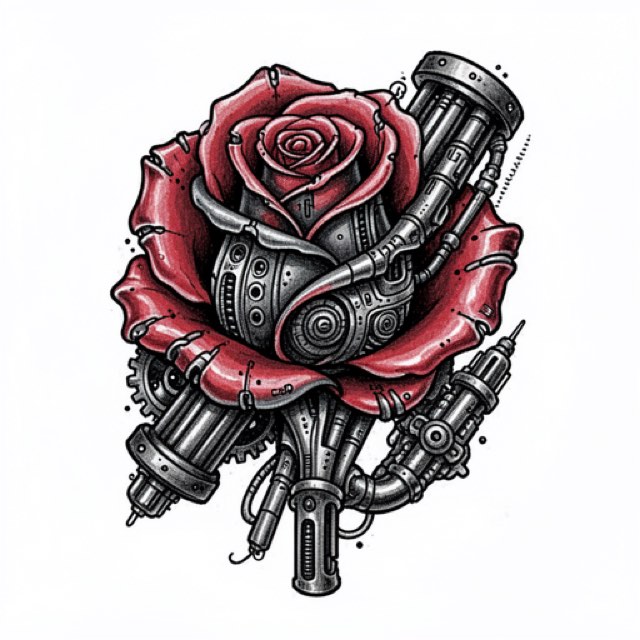 BiomechanicalBiomechanical Tattoo Stencil: Drawing to Fit the Limb UnderneathBuilding a biomechanical tattoo stencil for one specific limb: depth planes, line weight, Tonal plus Outline extraction, and a true-size dry fit.
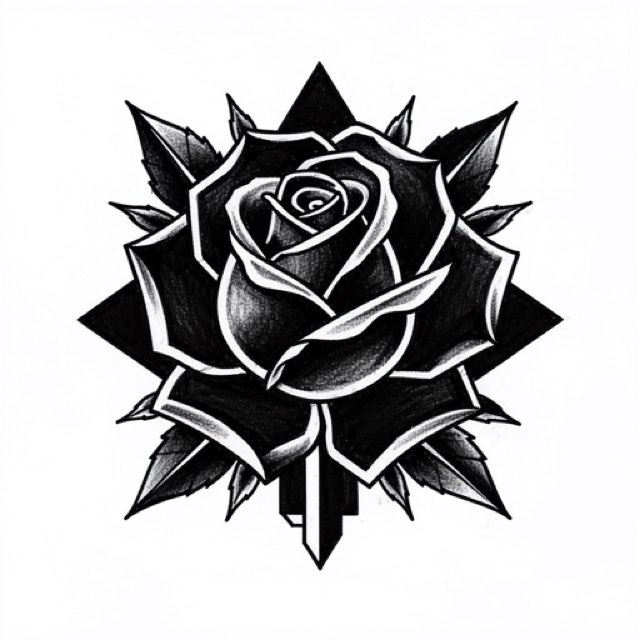 BlackworkBlackwork Tattoo Stencils: Mark the Fill Edges, Not the BlackHow to build a blackwork tattoo stencil that marks the edges of solid fills instead of the black itself, which mode to use, and how it transfers.
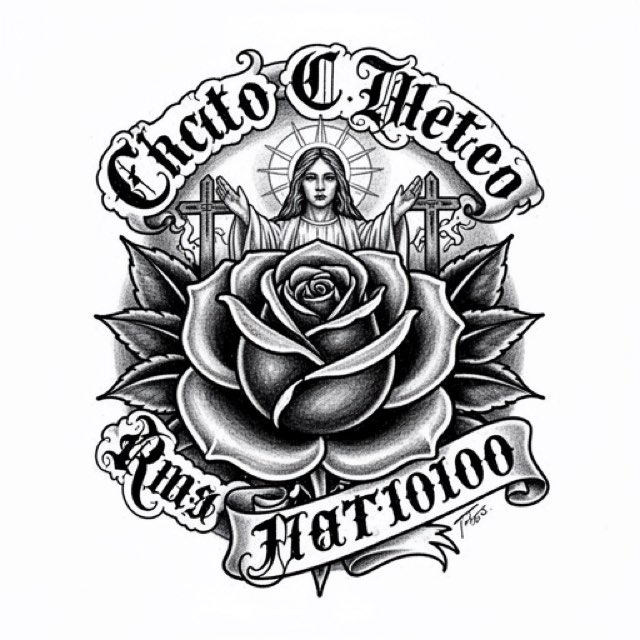 ChicanoChicano Tattoo Stencils: A Crooked Letter Cannot Be FixedBuilding a Chicano tattoo stencil that holds exact script and maps a gray wash: which extraction mode does what, and what survives the transfer.
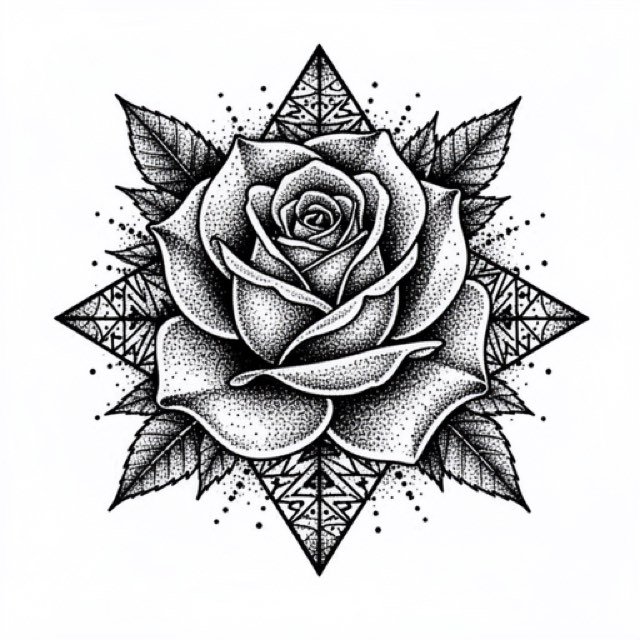 DotworkDotwork Tattoo Stencil: Dot Spacing That Survives TransferDot pitch, density limits and mode choice for a dotwork tattoo stencil that still reads as separate points after it transfers to skin.
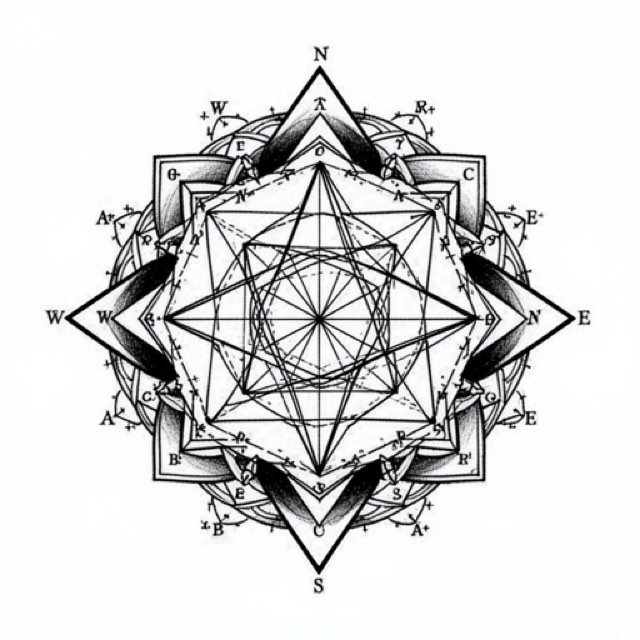 GeometricGeometric Tattoo Stencil: Precision Linework That Transfers CleanHow to make a geometric tattoo stencil whose lines stay straight and circles stay round: line weight, mirror editing, grid alignment, print limits.
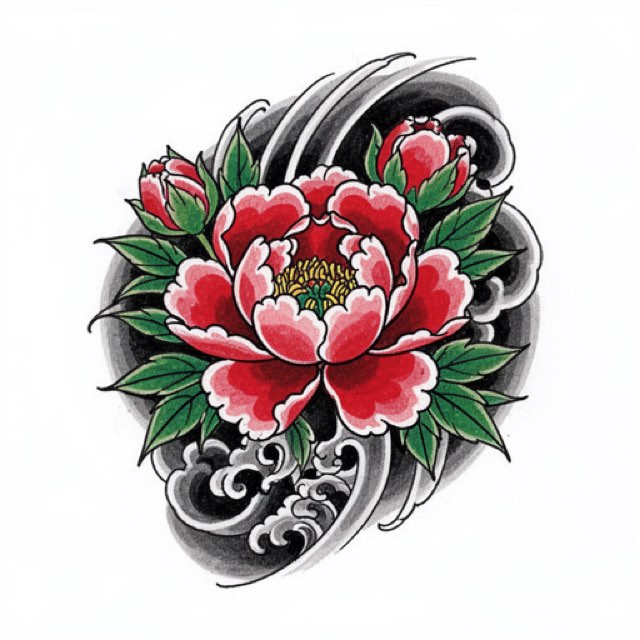 JapaneseJapanese Tattoo Stencils: Background Flow at Full Body ScaleHow to make a Japanese tattoo stencil that holds across a multi-session sleeve or back piece: line weight, background flow, tiling and mode choice.
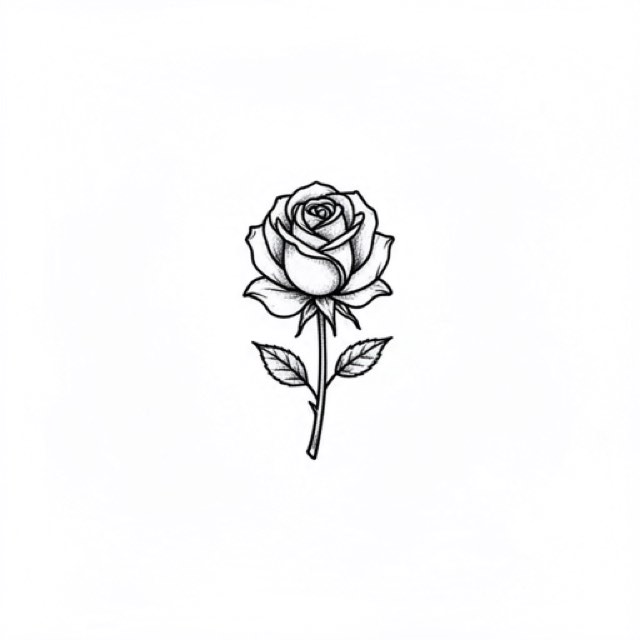 MinimalistMinimalist Tattoo Stencils: Line Weight, Size Floors and AgingWhat a minimalist tattoo stencil needs to survive transfer: line weight, minimum feature sizes, which extraction modes fit, and how fine line ages.
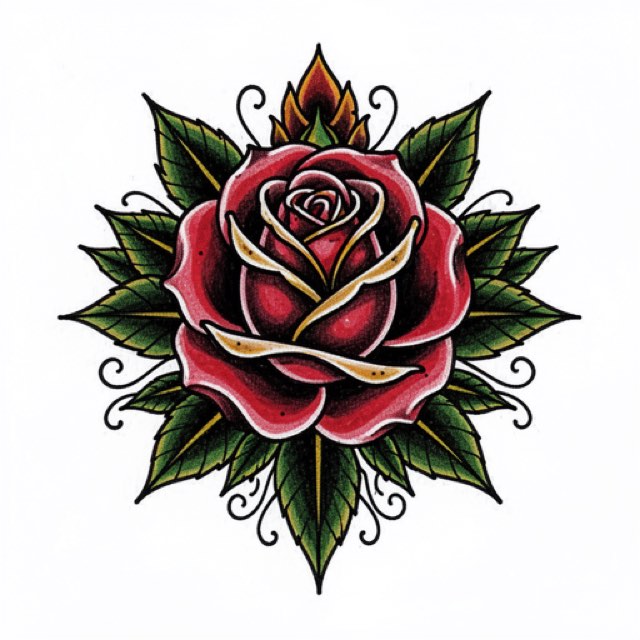 Neo-traditionalNeo Traditional Tattoo Stencil: Line Weight That SurvivesHow to pull a neo traditional tattoo stencil that keeps a heavy silhouette and fine interior detail: mode choice, slider limits, transfer losses.
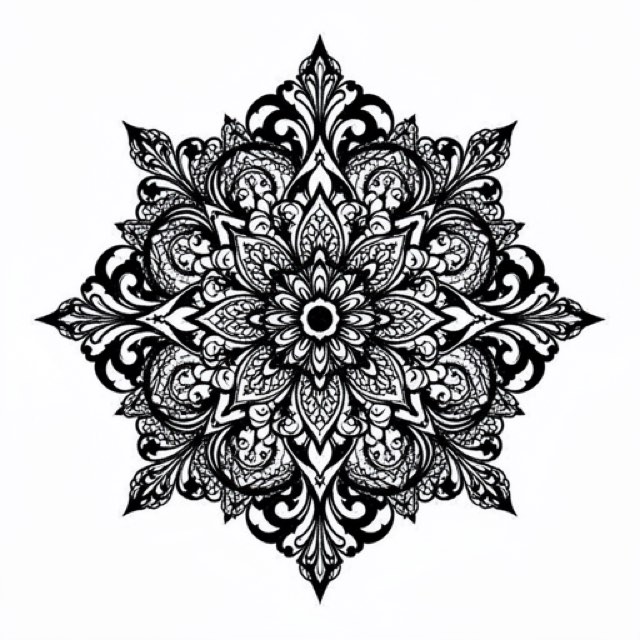 OrnamentalOrnamental Tattoo Stencil: Filigree, Symmetry and Dot AccentsMaking an ornamental tattoo stencil that survives transfer: line weight hierarchy, mirrored halves, dot passes, and sternum centerline placement.
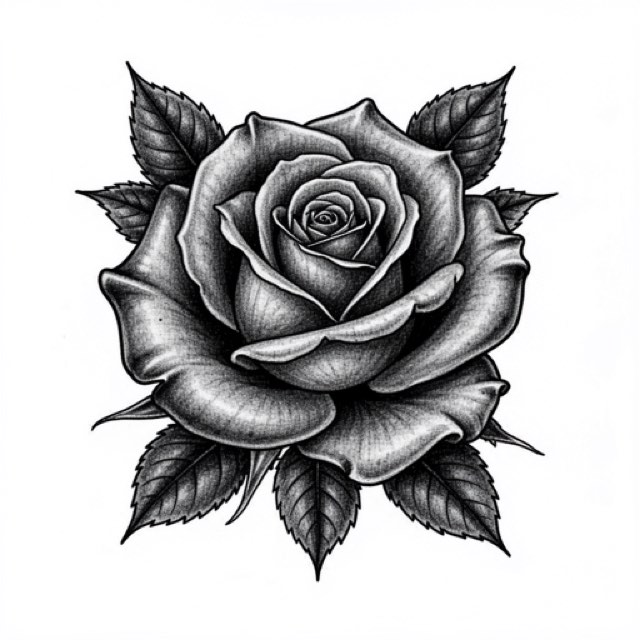 RealismRealism Tattoo Stencil: A Value Map, Not a Line DrawingHow to pull a realism tattoo stencil that maps value instead of outlines: Tonal and Sketch modes, the resolution floor, and proportion checks.
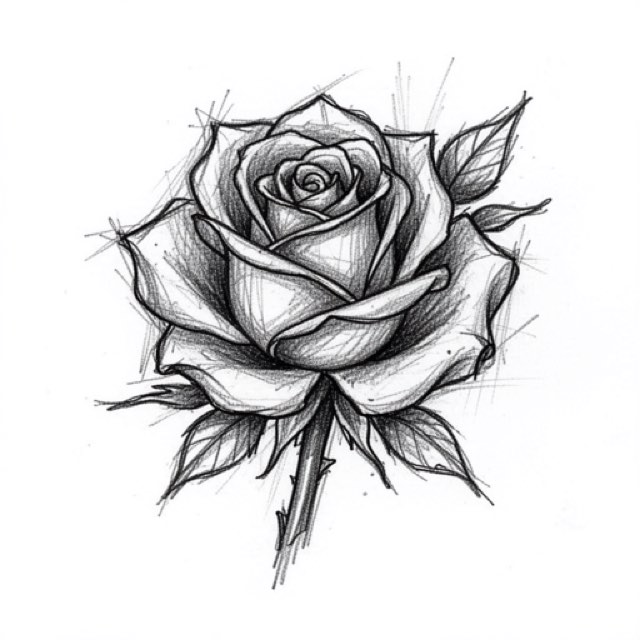 SketchSketch Tattoo Stencils: Keep the Construction LinesHow to make a sketch tattoo stencil that keeps its construction lines, doubled strokes and hatching instead of cleaning them off before you print.
 SurrealismSurrealism Tattoo Stencil: Which Element Carries the ReadA surrealism tattoo stencil is a hierarchy map: rank the elements, mark the blend seams, respect the size floor, and pick a mode that maps a gradient.
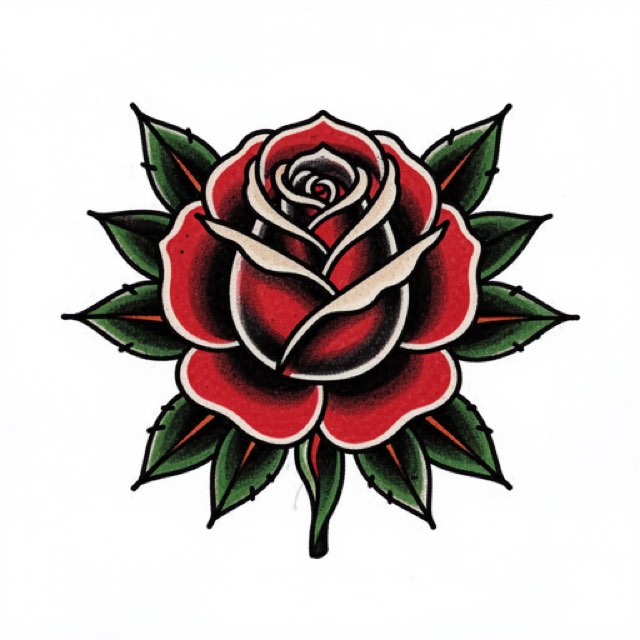 TraditionalTraditional Tattoo Stencil: Bold Lines That Survive TransferMake a traditional tattoo stencil that holds up: line weight measured at 100 percent, Linework and Outline settings, placement fit and transfer failures.
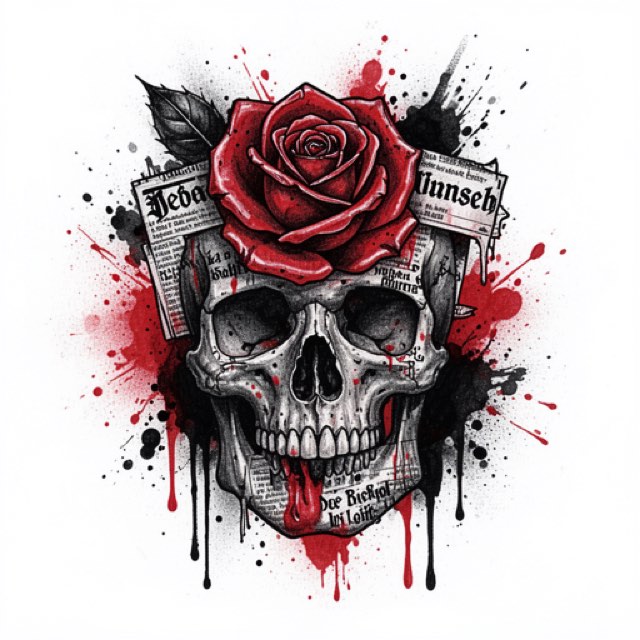 Trash PolkaTrash Polka Tattoo Stencil: Which Layer Actually TransfersSplit a trash polka tattoo stencil into black realism, graphic shapes and red freehand marks, then print the black layer so it registers across sheets.
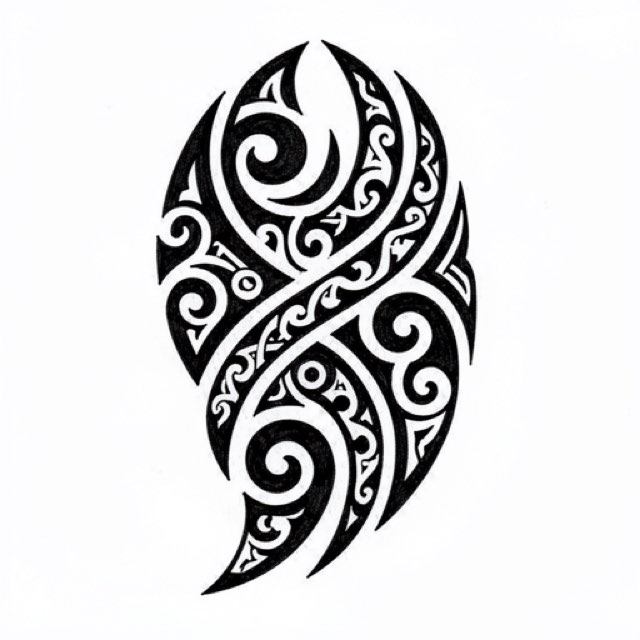 TribalTribal Tattoo Stencil: Edges, Symmetry and Solid BlackA tribal tattoo stencil is a boundary map for solid black: how to protect edge fidelity, negative space and symmetry from extraction through transfer.
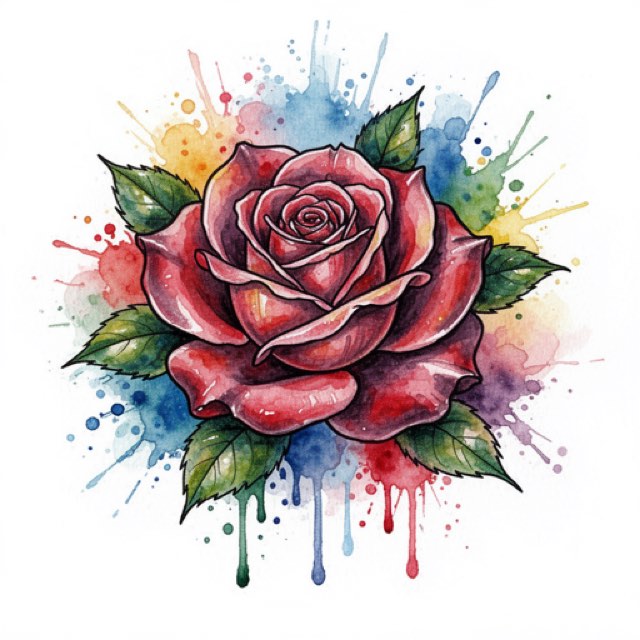 WatercolorWatercolor Tattoo Stencil: What to Include, What to Leave OutA watercolor tattoo stencil carries structure, not splashes. What belongs on it, which extraction mode fits, and how much detail survives transfer.